Line of Credit vs. Loan: What’s the Difference?
14 Min Read
 Reviewed by Michael Lefler
 - What is a personal loan?
- What is a line of credit vs. a loan?
- What is the difference between a personal loan and a line of credit?
- When should I consider a personal loan?
- When is a line of credit a better choice?
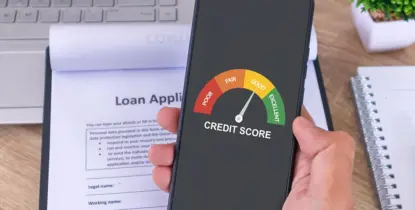
- How do personal loans and lines of credit affect my credit score?
- Loan vs. line of credit for common goals
- Bottom line
- FAQ
Key Takeaways
- Personal loans give you a lump sum of money with a fixed rate and repayment over a specific period.
- Lines of credit provide you with on-demand access to funds up to a set limit, with interest charged only on the amount you actually use.
- A personal loan is commonly used for one-time large purchases and debt consolidation. It is more predictable than lines of credit.
- A line of credit may be used as an emergency fund backup or to finance multiple projects simultaneously. It offers more flexibility than a personal loan.
- Lines of credit may have a larger effect on your credit score as they affect your credit utilization ratio – the factor that personal loans do not influence.
Disclaimer: This article is for informational purposes only and is not financial advice. Consult with a qualified financial professional before making borrowing decisions.
What Is a Personal Loan?
A personal loan is a form of credit that gives you a set amount, usually $1,000–$100,000, that you can use for any purpose with no or a few restrictions. The loan is issued for a specific term ranging from 12 to 84 months. The amount you borrow plus interest (APRs are typically 6%–36%) is repaid evenly in fixed monthly or bi-weekly payments. These loans are widely used: about one in five U.S. families held a personal installment loan in 2022, per Federal Reserve Bank of Boston research.2

Pros:
- Fixed interest rates. You do not have to worry about changing APRs and monthly payments, since they stay the same throughout the loan term.
- Easy to adjust. Personal loans have flexible amounts and convenient repayment terms, so you can adjust your payments to fit your budget.
- Quick access to funds. Lenders often transfer funds within 1–3 business days after approval.
- No collateral. Personal loans are unsecured, so you do not need to pledge an asset to qualify and receive the funds.

Cons:
- Extra fees may apply. Some lenders charge origination fees of 0.5%–8% or higher. This fee is deducted from the loan amount.
- Interest rates may be high. You need to have a credit score of 690–740+ to qualify for favorable terms, though many lenders accept lower scores at higher rates.
- Less flexibility. Personal loans give you a fixed amount without ongoing access to funds. Lenders charge interest on the entire amount you borrow.
What Is a Line of Credit vs. a Loan?
Unlike a personal loan, a line of credit (LOC) is revolving credit that provides you with ongoing access to money up to a certain limit. Once you are approved and assigned a limit, you can use the funds for almost anything.
Personal LOCs (PLOCs) typically operate much like credit cards, allowing borrowers to use them as long as there’s available credit and the account is up to date. Some options may have a set usage timeframe called the draw period. This period allows for interest-only payments. Once it ends, you can no longer draw on the line and must repay both principal and interest based on how much you’ve previously used. For example, home equity lines of credit (HELOCs) have a draw period of up to 10 years and a repayment period of up to 10–20 years.
Pros:
- Flexible access to funds. You will be able to access money within the set limit during the draw period. Once you repay what you used, the funds become available again.
- Lower initial payments during the draw period (if any). Credit lines with a set draw period may work for people with tighter budgets, as they allow interest-only payments at first.
- Interest only applies to what you actually use. This can result in less interest paid over the LOC’s life, provided you borrow responsibly.
Cons:
- Higher starting cost. Lines of credit typically have higher initial interest rates, making them more expensive than personal loans at the start.
- Variable interest rate. Your interest rate starts higher than a personal loan’s rate and can rise further under certain market conditions.
- Extra fees. Besides origination fees, lenders may apply monthly or annual maintenance fees, draw fees, and late fees.
- Payment shocks. If an LOC has a draw period, you may face high payments once it ends.
- Collateral may be required. Some lines of credit, for example, HELOCs, require collateral. This means you can lose your asset if you default.
What Is the Difference Between a Personal Loan and a Line of Credit?
Here’s how these two options compare with each other:
| Feature | Personal Loan | Line of Credit |
|---|---|---|
| Credit Limit | $1,000–$100,000 | $500–$100,000 |
| Average Interest Rate* | 11.86%1 | 11%–22%, variable |
| Fees | Origination and late fees | Setup fees, annual maintenance fees, draw fees, and late fees |
| How Interest Applies | On the full amount you borrow | On the amount you actually use within your credit limit |
| How the Funds Are Provided | In one lump sum | Ongoing access to money |
| Repayment | In equal monthly or bi-weekly installments over a set period. Each payment covers both principal and interest | Interest-only payments are allowed during the draw period. Both principal and interest must be covered when the repayment period starts |
| Collateral | None | May be required |
When Should I Consider a Personal Loan?
A personal loan is a common solution for one-time transactions, such as big purchases or debt consolidation. It can be a good choice for people who prefer the predictability of a fixed interest rate and monthly payments. If you have good credit and can qualify for a lower rate with little to no fees, a personal loan is likely to be more cost-effective than a line of credit.
Use our personal loan calculator to estimate the cost of your loan offer.
When Is a Line of Credit a Better Choice?
Lines of credit work best for projects with uncertain final costs or as an emergency fund backup. They are also worth a look if you have multiple financial needs over several years. Variable rates can also work in your favor, but only if interest rates trend downward over the draw period.
How Do Personal Loans and Lines of Credit Affect My Credit Score?
Personal loans and LOCs can impact your credit score both positively and negatively, depending on your current situation and how you manage them.
Positive effects include the following:
- Lower credit utilization. This factor is only affected by lines of credit. Once you get access to an LOC, the total available credit increases, which lowers your credit utilization ratio. Keeping it below 30% can boost your credit score.
- Improved payment history. Both personal loans and lines of credit contribute to your credit rating if you make your payments on time. Payment history makes up 35% of your overall score.
- Credit mix diversification. Having credit accounts of only one type gives lenders and credit bureaus a limited picture of your financial behavior. Adding a new type of credit can improve your credit mix.
Among the negative impacts are:
- Length of credit. Each time you open a new account, your average age of accounts drops. This may cause a temporary dip in your credit score.
- Hard inquiries. When you apply for a loan or a line of credit, lenders review your credit reports to check your creditworthiness. Each hard inquiry can lower your score by less than 5 points.
- Late payments. If you miss a payment or default on your loan or line of credit, lenders report this information to credit bureaus, which can significantly damage your credit score.
Loan vs. Line of Credit for Common Goals
Let’s take a look at how a personal loan vs. a line of credit suits different life situations.
Home Renovations
Loans and lines of credit are both suitable options for financing a home renovation project. The choice depends on what part of the process requires financing and whether you know the project’s final cost. If the price is uncertain and the funds are needed for a long-term project, a line of credit will be a better choice.
Emergency Fund Backup
A personal loan should not serve as an emergency fund, since you pay interest each month, whether or not you use the funds right now. An LOC can be more cost-effective, since repayment begins only after you draw from your credit line, and interest applies to the amount you actually spend.
Business Purposes
While many lenders restrict using personal loans and lines of credit for business purposes, there are specialized Small Business Administration (SBA) loans and business lines of credit that can meet your company’s needs. The right choice depends on what you need the money for. An SBA loan is better suited to large, one-time investments, such as real estate or equipment purchases. Business lines of credit work better for fluctuating costs, temporary cash flow issues, or emergency expenses.
Learn more about 6 main types of small-business loans.
Education
Most people use specialized student loans to cover educational expenses. Federal loans are the primary option that offers multiple benefits, including payment deferment and sometimes interest coverage while in school (for subsidized loans). However, they also have certain limits, so many students turn to private loans and student lines of credit when they max out their federal student aid. Lines of credit are usually used to cover fluctuating expenses or fill any remaining gaps in college financing.
Buying a Vehicle
Vehicles are usually financed through specific auto loans or dealership programs. These options offer lower interest rates averaging 6.97%–7.14% for new cars (as of May 2026). However, some people may also use home equity lines of credit for vehicle purchases to secure lower interest rates. This option is less common and comes with a risk of foreclosure, as your house serves as collateral. For this reason, most financial advisors warn against this approach.
Home Purchase
A mortgage is a major loan option people turn to when they need financial help to become homeowners. LOCs are more common for home renovations, a down payment, or long-term costs associated with purchasing a house.
Debt Consolidation
Personal loans are typically used to combine multiple debts into a single one. They are usually considered the best choice, especially if a borrower has improved their credit score and can qualify for a better rate compared to the weighted average interest rate on existing debts. Lines of credit are less likely to be used for this purpose.
Bottom Line
Loans and lines of credit can be great ways to finance your personal and business needs if used responsibly. Which one you should choose depends on what you need the money for, whether it’s a one-time, fixed expense or a long-term project, your current credit, and financial flexibility.
FAQ
Is a line of credit better than a loan?
Not always. A line of credit may be a better solution if you need money on demand or have a long-term project that requires ongoing access to funds.
Should I take out a personal loan or open a line of credit for home renovations?
Both options suit your home renovation goals. If it’s a one-time expense with a clear, fixed price, you should choose a personal loan. For ongoing needs, a line of credit will work better and provide more flexibility.
Is a personal loan or a line of credit worth using for an emergency fund backup?
A personal loan should only be considered as a secondary safety net in situations where you do not have access to other emergency money sources. This is because you still need to make your monthly payments that cover both principal and interest, which results in paying more interest than necessary. A line of credit is a better solution for these needs.
Should I choose a business line of credit or an SBA loan for my small business?
Choose between these two options based on what business expenses you need to cover. If it’s a large purchase with a known price, an SBA loan is a primary option. Lines of credit are typically used for operating costs, short-term cash flow gaps, and emergency expenses.
Does a personal line of credit hurt your credit score more than a loan?
Yes, a PLOC can impact your credit score more than a personal loan, since it also affects your credit utilization. However, it’s only true for situations where you overspend or pay late. When used responsibly, a line of credit can boost your credit score more effectively than a loan.
My personal loan is paid off. Should I open a line of credit to improve my credit mix?
A diverse credit mix is a minor credit scoring factor that only makes up 10% of your overall score. Therefore, you should not open a line of credit simply to boost your credit unless you need it for financing. Unnecessary debt can result in overspending and extra interest charged.
Sources
- 1 Board of Governors of the Federal Reserve System — G.19 Consumer Credit — commercial bank personal loan rate. September 2026.
- 2 Federal Reserve Bank of Boston — Personal Installment Loans: Context and Patterns Among U.S. Households — personal installment loan usage. 2026.