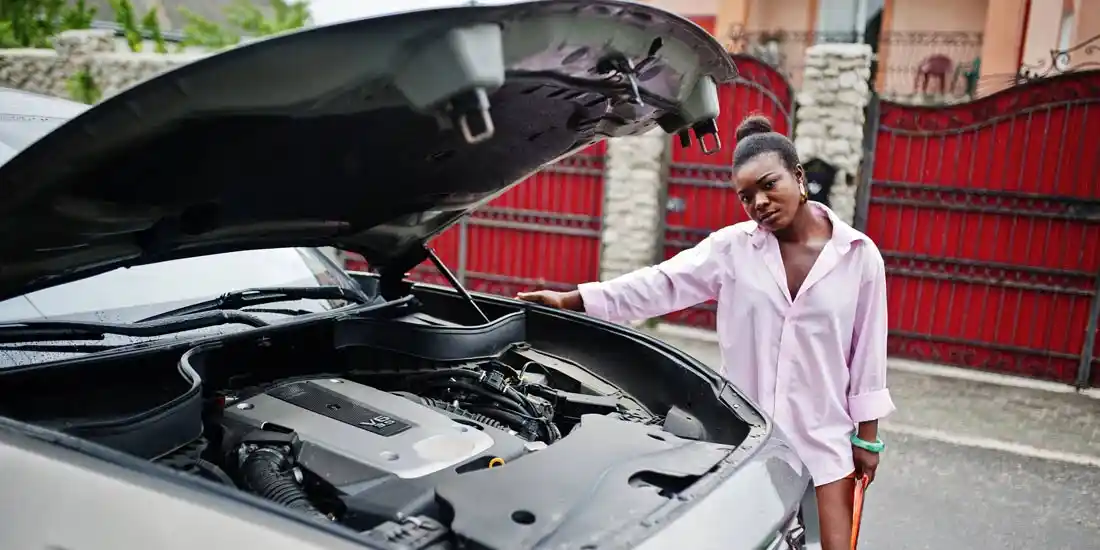
How to Pay for Car Repairs with No Money
12 Min Read
 Reviewed by Latoria Williams
 Key Takeaways
- Car repairs can be costly, but insurance, warranties, and roadside assistance can lower your out-of-pocket costs.
- Loans can cover car repair expenses. Compare options carefully and choose one that fits your budget.
- Regular maintenance prevents major breakdowns, saving you money and reducing the stress of sudden repairs.
Finding yourself saying, “I need my car fixed, but I have no money,” is a situation many drivers know too well. Breakdowns can affect your daily life significantly if the car is essential for work or family routines. On top of that, it may be hard to come up with the amount you need if you don’t have savings.
A major vehicle repair is now the most common unexpected expense in the country, reaching 30 percent of adults in a single year, with a median cost between $1,000 and $1,999.1
While repair costs run high, many Americans have no emergency fund. Luckily, there are still some ways to pay for car repairs with no money. Here are options that can cover these expenses quickly and without unnecessary financial pressure.
The Real Price of Car Repairs
Understanding the typical costs you might face when your car breaks down will help you prepare for this kind of emergency. The table below highlights common repairs and their current average price ranges in the U.S.:
| Type of Failure | Average Cost Range |
|---|---|
| Brake pads and rotors | $550–$630 (per axle) |
| Alternator replacement | $754–$850 |
| Fuel pump replacement | $1,125–$1,247 |
| Transmission rebuild/replacement | $1,200–$5,000+ |
| Engine replacement/overhaul | $2,500–$10,000+ |
| Wheel alignment | $50–$200, depending on 2-wheel vs 4-wheel |
| Spark plug replacement | $100–$430 |
| Power steering pump failure | $844–$943 |
Repair prices are climbing faster than almost everything else in the economy. Over the 12 months through June 2026, the Bureau of Labor Statistics index for motor vehicle maintenance and repair rose 7.0 percent while overall consumer prices rose 3.5 percent.2
Routine upkeep costs real money before anything breaks. AAA prices maintenance, repair and tires at 11.04 cents per mile for a new car over five years. At 15,000 miles a year that runs about $1,656, sitting inside a total ownership cost of $11,577 annually.3
What to Do When Your Car Breaks Down and You Have No Money?
It helps to know what people in your position actually do, because the honest answer is rarely one clean solution. Among adults who struggled to pay bills in the month before the Fed’s 2025 survey, 48 percent cut back on other spending, 42 percent paid a bill late, 23 percent put something on a credit card they would carry, and 22 percent borrowed from friends or family. Only 6 percent took out a payday or personal loan. More than half used two or more of those moves at the same time.1
Let’s take a closer look at several ways to manage the situation without going into debt.
Insurance Coverage
Start by checking your mechanical breakdown insurance policy. Many drivers don’t even realize that it may include additional services. This could be free towing, roadside assistance, or coverage for a rental car while yours is being repaired. A quick call to your insurance company will help you understand exactly what is covered. Often, these options are already paid for, and you can use them at no extra cost. This is the easiest way to reduce expenses.
Extended Warranty
If your car is still under the manufacturer’s warranty or you have an extended one, some repairs may cost you nothing. Typically, such warranties cover major and expensive breakdowns, such as engine or transmission failures. Check your paperwork or contact the warranty provider to confirm your coverage. In many cases, a single phone call can reveal that a costly repair has already been taken care of, and you won’t have to spend your own money on it.
Free Roadside Assistance
Other options include programs like AAA or similar services. They offer 24/7 help with towing, jump-starting the battery, changing a tire, or delivering fuel. If you already have a membership, use it right away. If not, check for trial or low-cost options. Often, this is enough to solve the problem on the spot and avoid unnecessary spending at a repair shop.
Borrowing from Family or Friends
When you have no savings, consider reaching out to friends or relatives for help. While it may feel uncomfortable, this option is often far better than taking on a high-interest loan. Be clear about how much you need and how you plan to repay it. Discussing the terms upfront helps avoid misunderstandings—and loved ones are usually willing to help when they see you’re handling the situation responsibly.
Nonprofit and Government Programs
Local resources, such as nonprofit organizations, churches, and government programs, can provide assistance with car repairs without having to pay the money back. This may include small grants, free parts, or help from volunteer mechanics. In some cases, nonprofits may cover part of the cost if you need the car for work. You can also try crowdfunding by sharing your story on a dedicated platform, like GoFundMe. People are often willing to help those who have found themselves in a difficult situation.
Other Emergency Car Repair Assistance Options
If your insurance does not cover the repair, the warranty has expired, and your family cannot help with the full amount, there are still options available. While these involve borrowing, using them responsibly can help you get back on the road without creating long-term financial strain:
Credit Card
If you have a credit card with a 0% introductory APR, it can be one of the most cost-effective ways to cover car repair expenses. You can pay for the service immediately and then spread the payments over several months without interest. The key is to pay off the balance before the promotional period ends. Once the promotional window closes, the regular rate applies to whatever is left. The Federal Reserve put the average across all credit card accounts at commercial banks at 20.94 percent in the second quarter of 2026. Cards issued to thinner credit profiles price above that.5
Payday Alternative Loan
This option gets left off most lists, and it should not be. Federal credit unions can make small loans that cap the interest rate at 28% and the application fee at $20. PAL I runs $200 to $1,000 over one to six months and asks that you have been a member for at least a month. PAL II goes up to $2,000 over one to 12 months with no waiting period once you join. Rollovers are banned and you can hold only one at a time.4
You have to be eligible to join a federal credit union, and not every one of them runs the program, so call and ask before you assume. But if a $900 brake job is the problem, borrowing at 28% is a different universe from borrowing the same money at 300%.
Payday Loan
A payday loan is a short-term borrowing option of up to $1,000 that you must repay with your next paycheck. Funds are typically available within 24 hours, making it useful for covering small urgent repairs right away. The drawback is the high APR, which can be around 260%–780% for a 14-day loan. This option is designed for real emergencies and should only be used if you are confident you can repay on time. Consider it a quick way to get back on the road, not a long-term plan.
Installment Loan
An installment loan offers up to $5,000, with payments spread over 2–24 months. This structure makes it easier to plan repair costs within your budget. While the APR is still higher than that of a traditional bank loan (typically 16%–200%), it’s significantly lower than a payday loan. If you need a larger amount, predictable payments, and more time, this option may be suitable for you.
Personal Loan
Banks and credit unions often provide personal loans of up to $50,000, but you will need a good credit history to qualify. These loans usually have lower APRs ranging from 6% to 36% and offer longer repayment terms of 12–60 months. This flexibility makes them suitable for major repairs. If you have less-than-perfect credit, online lenders may still be able to help, although bad-credit loan amounts are typically smaller and APRs are higher. The advantage is speed: many online lenders can approve and fund the loan within one business day.
Title Loan
With a title loan, you use your vehicle as collateral. This means the lender holds your car title until the loan is repaid. Approval is usually fast, and you can often borrow around 25%–50% of your vehicle’s value. Keep in mind, however, that the repayment terms are short (up to 30 days), and APRs can reach 300%.6 If you fail to repay the loan, the lender can repossess your vehicle. This is a risky option that should only be used as a last resort.

Things to Consider Before Paying for Car Repairs
Start by taking an honest look at your budget. Determine how much you can realistically pay each month while still being able to cover housing, groceries, and utilities. That figure is your guideline. It will help you avoid taking on a loan that is too difficult to manage.
Next, explore the more affordable options you already have. You might have a “rainy day” savings account, a credit card with a 0% introductory rate, or insurance that covers part of the expenses.
Then, assess the risks. While a payday loan or a title loan can provide money quickly, they can also result in high final costs, debt cycles, or car repossession if you don’t repay on time. A personal loan from a bank takes longer to process, but it usually comes with a lower rate and a more convenient repayment schedule. However, it requires a good credit history and a stable income.
Also, don’t be afraid to ask for help. Sometimes, family, friends, or local organizations can step in and cover part of the expenses. It can feel uncomfortable to ask, but it’s better than getting into unmanageable debt.
Try not to rush into decisions. Choose the option that really fits your budget, and remember: this is a temporary difficulty. With a clear plan and realistic budget, you can cover the repair without derailing your finances.
How to Get Auto Repair Loans
If you decide to use a loan for car repair financing, here’s a step-by-step process to follow:
- Compare your options. Look at the products available and go through pre-qualification with several lenders to see potential offers. This will help you choose the one that best fits your situation.
- Gather your documents. Prepare proof of income, employment, residence, and identification. Having recent bank statements and tax returns available can speed up the application process.
- Complete the loan application. You can apply online or at a lender’s branch. At this stage, a hard credit check may be performed. Some lenders, however, offer loans with no hard credit check and perform a soft inquiry instead.
- Review the terms carefully. If you’re approved, take time to read the agreement closely. Pay attention to the annual percentage rate (APR), fees, monthly payment amounts, repayment terms, and any grace periods.
- Receive your funds. Once you sign the agreement, the money will be deposited into your bank account. It usually happens within 24 hours, allowing you to pay for your car repair right away.
How to Avoid Costly and Unexpected Car Repairs
Keeping your vehicle in good condition reduces the risk of costly repairs down the road. Here’s what regular car maintenance involves:
- Checking and replacing engine oil and filters according to the manufacturer’s recommendations prevents engine wear and reduces the risk of failure.
- Maintaining proper tire pressure and replacing tires approximately every five years (based on tread and condition) not only improves handling but also prevents premature suspension wear.
- Regularly checking brake fluid levels and the condition of brake pads ensures safe driving.
- Inspecting and servicing the cooling system helps prevent engine overheating.
- Testing the electrical system, including the battery and alternator, ensures reliable starting and proper functioning of all electrical components.
Bottom Line
Repairing a car often comes at the most inconvenient times and can put serious pressure on your budget. Before rushing into debt, review all available resources, including insurance, warranties, savings, and community aid. If borrowing is the only option, choose the form of credit you can realistically repay. With careful planning and a measured approach, you can cover repair costs and protect your financial stability.
FAQ
Is it cheaper to buy another car?
In most cases, repairing your current car is cheaper than buying another one, especially if the repair is under $5,000. Buying a used or new car comes with higher upfront costs, taxes, and insurance.
What can low-income drivers do if they need car repairs but don’t have the money?
Low-income drivers can seek repair assistance from programs such as Modest Needs, United Way, or local nonprofits. In urgent cases, they may also consider small loans from credit unions or online lenders.
Are there any car repair help programs for veterans?
Yes. Programs like Operation Homefront, Modest Needs, and VA emergency assistance offer grants or free repairs. Local veteran service groups may also provide financial or mechanical support.
Sources
- 1 Federal Reserve Board — Report on the Economic Well-Being of U.S. Households in 2025. May 2026.
- 2 U.S. Bureau of Labor Statistics — Consumer Price Index, June 2026. Released July 14, 2026.
- 3 AAA — Your Driving Costs 2025 Fact Sheet. September 2025.
- 4 National Credit Union Administration — Payday Alternative Loans II, Final Rule. September 19, 2019.
- 5 Federal Reserve Board — Consumer Credit — G.19, June 2026. Released August 7, 2026.
- 6 Consumer Financial Protection Bureau — Single-Payment Vehicle Title Lending. May 2016.
Start your application today to find options that can cover repair costs!Apply