What are your loan options with a 600 credit score
9 Min Read
 Reviewed by Latoria Williams
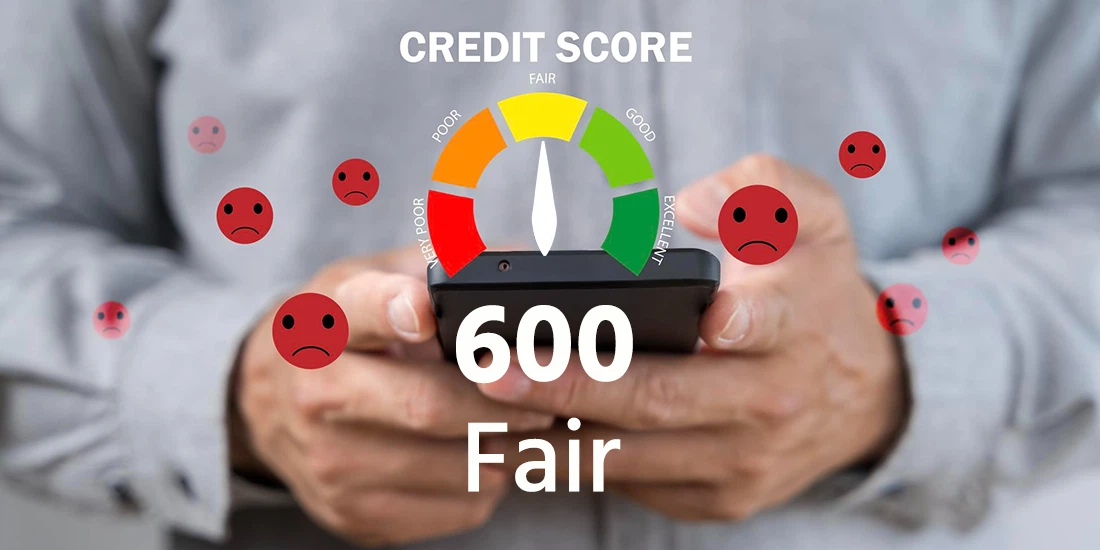
 People are often uncertain of whether a credit score of 600 is good or bad. In fact, this score falls into a “fair” category, which can be a sign of past financial mistakes or a limited credit history. This guide explains how a 600 credit score is treated by lenders, which financial products are available with this rating, and how to improve your credit to access better loan options in the future.
Key Takeaways
- A 600 credit score is considered fair on the FICO scale and may signal certain risks to lenders.
- You may qualify for personal loans, credit cards, auto loans, and even a home loan through certain programs.
- 600 scores are often caused by late payments or a short credit history, not necessarily by major mistakes.
- You can improve your credit score by making on-time payments and lowering your credit card balances, but it always takes time.
What Is a 600 Credit Score?
A 600 credit score is considered fair under the FICO model, sitting just above poor. Lenders typically see it as subprime, meaning that it signals higher risk and results in less favorable loan terms. With a credit score this low, you may face higher interest rates, lower loan limits, extra requirements, or even a denial.
However, fair credit is common. As of March 2025, around 14.9% of U.S. consumers fall in this range. The good news is, there are still multiple ways to borrow money available to people with a 600 credit score.
What Products Can You Get?
While a fair credit score limits your options, you still have a few to choose from:
Credit Cards
A 600 score is often considered an entry level for unsecured cards, with options like store cards or secured cards being available. However, most top credit card offers require good to excellent credit to qualify.
Currently, the average credit card APR is above 23%, while credit cards with a 600 credit score often come with higher rates. Secured credit cards usually have lower APRs, but they work differently. Instead of receiving a specific credit limit from a bank, you need to put down a refundable cash deposit that you then use as a regular credit card balance. Over time, responsible credit use can help you upgrade your secured card to a regular one.
Personal Loans
You can still find a personal loan with a 600 credit score, but not every lender offers this option. Banks prefer borrowers with good credit, but some online and subprime lenders consider applicants in the fair-to-poor range.
However, applicants with the mid-500s to low 600s scores should expect less favorable terms. APRs for fair-credit personal loans often exceed 20% and may be as high as 35.99%. In some cases, you may need a co-signer to improve approval odds.
Learn about your loan options with a 500 credit score.
Auto Loans
Auto loans come with no specific minimum credit score requirements. Many lenders will still approve you with a 600 score if your income is steady and you can put a down payment.
The downside is a higher APR. In 2024, the average rate on a new-car loan for subprime borrowers was about 13.18%, versus roughly 6.87% for prime borrowers with 661–780 scores. Used-car rates can be even higher.
To qualify for better loan terms, provide at least a 20% down payment to reduce the amount you need to borrow and consider a shorter repayment period.
Mortgages
Although most conventional lenders who sell loans to Fannie Mae or Freddie Mac require a minimum score of 620, you can still get a mortgage with a 600 credit score. These are government-backed mortgages designed to support specific vulnerable groups:
- FHA Loan. These loans are insured by the Federal Housing Administration. While FHA’s accepts borrowers with a credit score as low as 500, you need at least 580 to qualify for the minimum 3.5% down payment. You should also pay mortgage insurance premiums, and the home you are going to purchase must be a primary residence.
- VA Loan. The VA loan program is designed for U.S. military service members, veterans, or eligible surviving spouses. The Department of Veterans Affairs doesn’t set a strict minimum credit score, but many VA lenders usually accept applicants with at least 580 scores.
- USDA Loan. These are mortgages for rural and some suburban homes, backed by the U.S. Department of Agriculture. USDA loans require a minimum of 640 credit score, but there may be some flexibility if you have strong compensating factors, such as a low debt-to-income ratio.
Common Reasons Your Credit Score Is 600
A credit score of 600 is usually the result of specific issues in your credit history:
Delinquent Payments
Payment history is the most substantial factor in your credit score, accounting for about 35% of the FICO score calculation. If you’ve made late payments on loans or credit cards, those delinquencies will drag your score down. Even a single payment that’s over 30 days past due can drop your score by anywhere from 50 to 120 points. These negative marks remain on your report for up to seven years.
If your score is 600, review your credit reports for any late payments entries from the past few years. If there are any unpaid or overdue accounts, try to pay them off as soon as possible. Until they are not resolved, they continue to lower your score. Once repaid, their impact on your FICO rating will fade over time.
High Credit Utilization
Another reason for a fair credit score is having high balances on your credit cards or lines of credit compared to their limits. This is known as credit utilization, and it heavily influences your score. Using a large percentage of your available credit signals to scoring models that you might be financially stretched. If your cards are near maxed out, your score can drop, even if you haven’t missed payments.
Credit experts recommend keeping your utilization below 30% of your credit limit. You can either pay down your current balances or ask for a credit limit extension to see a credit score boost in as little as 30 days.
Credit Length and Mix
If you’re relatively new to credit or have only one or two accounts, your credit file might not have enough information yet to yield a higher score. Lenders like to see a long track record of responsible use of different credit types. When your average account age is low, it can cap your score.
In this situation, time is a factor. Just keep your old accounts open, avoid long-term gaps in your credit activity, and show lenders you can manage different loan types.
Accounts in Collections or Serious Derogatories
If you have any accounts that went to collections, charge-offs, or other derogatory statuses, they are a big reason your score remains low. A collection occurs when your account is sold to a collection agency because the creditor gives up on you paying as agreed. Similarly, a charge-off appears when a lender writes off your debt as a loss. These are among the worst marks for your score.
Besides collections, other serious derogatories include foreclosures, repossessions, or bankruptcies. These events can push your scores far below 600, but as the time passes, their impact reduces.
How to Improve Your Credit
There are no instant fixes that will help you jump from fair to excellent score. However, you can steadily raise your credit score from 600 toward 700 and beyond by adopting the right habits:
- Pay on time. The first priority in credit repair is to avoid any late payments. Since payment history is the number one factor, you need to ensure you’re not adding new negative entries on your credit report. If you have any past-due accounts, bring them current as soon as possible. This is the foundation of improvement.
- Check your credit reports for errors. Pull them from each major bureau (Experian, Equifax, and TransUnion) and review them thoroughly. Look for any mistakes, such as accounts that don’t belong to you, incorrect balances, or outdated negative items that should be removed. You can get one free copy of your credit report from each bureau every 12 months via AnnualCreditReport.com.
- Take out a credit-builder loan. This option allows you to boost your credit by making upfront payments without actually receiving the funds. Each on-time payment is transferred to a savings account that the lender unlocks once you repay the loan in full. Lenders may either report to only one, two, or all three credit bureaus.
- Avoid new credit mistakes and be patient. As you work on all the steps above, do not sabotage your progress with a new mistake. Avoid decisions that may create short-term relief but cause long-term damage. This means: don’t take on new debt you can’t handle, don’t miss payments, and try not to undergo multiple hard inquiries.
FAQ
Is 600 a bad or good credit score?
On the FICO scale, 600 is considered fair (not good). Most banks consider scores around this level subprime. You’ll likely face higher interest rates.
How much of a loan can you get with a 600 credit score?
There’s no fixed loan amount tied to a 600 score. Everything depends on the loan type, lender’s policies and your overall financial profile. While personal loan providers might approve a borrower with a 600 score for up to $50,000, the amount can be significantly higher when it comes to mortgages.
How long does it take to get from a 600 to a 700 credit score?
Going from 600 up to 700 could take several months to a year or more, depending on your circumstances and credit habits. If your fair score is due to one or two manageable issues, you might see big improvements in under a year by fixing those issues and not adding any new negative entries.
What is the easiest loan to get?
The easiest loans to get approved for are typically loans that don’t require a credit check. Two examples are payday loans and pawn shop loans. Lenders offering payday loans mainly verify your income and checking account activities, while pawn shops lend against a physical item you offer as collateral. Just be aware of their high interest rates.
Find Fair-Credit Options with 1F Cash Advance!Apply