1F Cash Advance Expert Guides and Articles

The 600% gap: highest and lowest payday loan APR by US state
There's no single price for a payday loan in the U.S. The APR on the same loan runs from about 114% in the most restrictive states to roughly 652% where there's no cap — and zero where a 36% ceiling closes it down. This research breaks down the highest and lowest payday loan APRs by state and what a $300 loan really costs.


Hobbies That Make Money Fast (Get Paid This Week)
Some hobbies pay in days, others in weeks. Compare 18 money-making hobbies by payout speed and earning potential, from pet sitting and cleaning to video editing and fitness coaching.


29 Ways to Make Extra Money on the Side
If it feels like your full-time job does not bring you enough money to cover all your needs or reach big financial goals, earning money on the side can be a good way to fill in the gap. This article explores non-trivial yet reasonably paid side gigs that can help you earn extra money while working full time.


How Many Payday Loans Can I Get at Once?
Payday loan regulations vary by state. While most states prohibit having more than one payday loan at a time, some of them may allow you to get several short-term loans simultaneously. However, they are likely to set total amount limits across all payday loan balances. Even if you are allowed to get multiple payday loans in your state, it doesn't mean you should. This article explains risks and provides alternatives, along with state-by-state rules.

Loans for 18-Year-Olds: What You Can Borrow with No Credit History
When you're 18, your loan options are often limited due to little to no credit, short employment history, and inadequate income. While there are loans available to young adults, they are likely to have lower borrowing limits, shorter terms, and higher interest rates. This article explores what financing options 18-year-olds can really access, along with requirements, steps, and useful tips on choosing the right lender.

Emergency Loans for Medical Bills: What the 2025–2026 Data Really Shows
A medical emergency can turn into a financial one within weeks. Drawing on federal data, state law, and lending research, this guide ranks your borrowing options by cost — from interest-free hospital plans to high-APR payday loans — and shows the cheaper routes most people miss.

Personal Loans vs. Credit Cards: How They Differ
Both personal loans and credit cards can provide you with money for personal needs. However, they don’t work the same and fit different life situations. Personal loans provide you with a fixed amount upfront and require you to gradually repay it over time with interest in equal monthly installments. Credit cards give you ongoing access to funds up to a specific limit and offer more repayment flexibility. Here’s a closer look at both options to help you better understand which one will work for you.
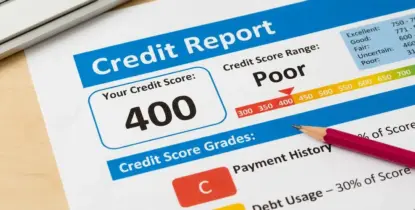
How to Get a Loan with a 400 Credit Score (or Other Bad Scores)
A 400 credit score is low, but you can still get a loan. Expect higher rates and smaller amounts, but a co-signer, collateral, or steady income can help you get approved. Learn how to raise your score and avoid loan scams.

Line of Credit vs. Loan: What’s the Difference?
Both loans and lines of credit can be used to cover personal expenses or reach major life goals. However, they work differently and can outperform each other depending on the situation. While personal loans give you a lump sum of money with a fixed rate and repayment over a specific period, lines of credit provide you with on-demand access to funds up to a set limit, with interest charged only on the amount you actually use. The article breaks down how these products work and when they may be a good fit.

Small Business Loans: Types, Rates, and How to Qualify in 2026
Running a small business in 2026 brings financial pressure, from uneven revenue to rising costs. When cash flow tightens, loans can help cover expenses. Options like SBA loans, lines of credit, and factoring serve different needs.
